
Is Yoto Worth It for Parents? Real Reviews Inside
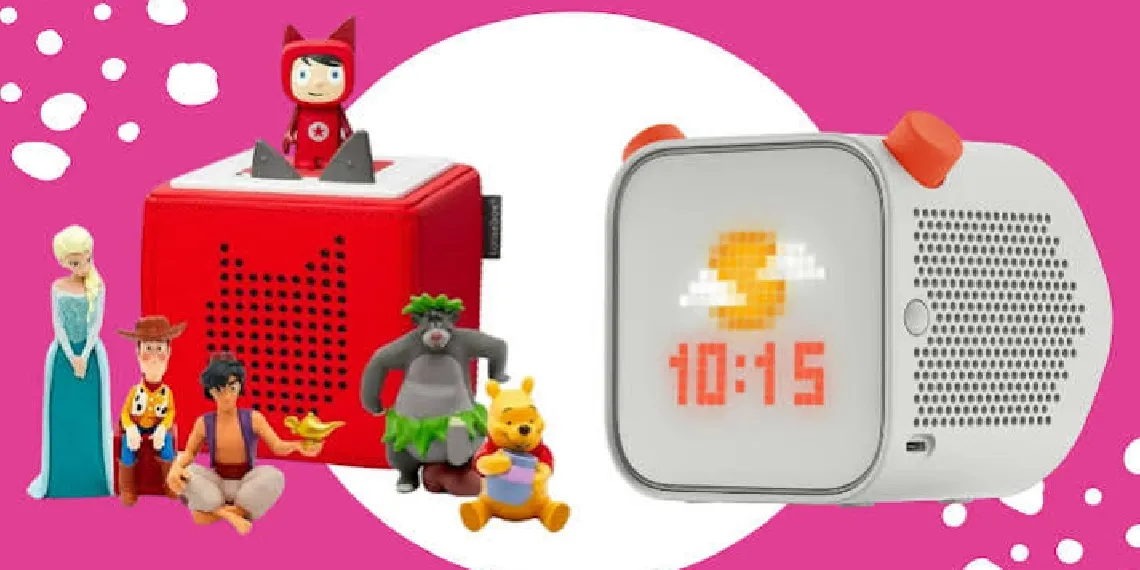
Yoto shows up on more birthday and holiday wish lists every year, but at $99.99 to $149.99 for the player alone — plus roughly $10 per card after that — it's a real spend for something that, on paper, just plays audio. Parents weighing it up are really asking one question: does this actually change daily life enough to justify the cost, or is it just an expensive speaker? After looking at surveys and reviews from dozens of families who've used one for months or years, the answer is about as close to a consensus as product reviews get.
What Parents Say After Actually Using It
In one roundup where a reviewer asked 30 parents directly whether Yoto was worth it, the response was overwhelmingly positive — she reported not hearing from a single parent who regretted the purchase, with several calling it one of the best purchases they'd made for their kids. The recurring theme across independent reviews isn't the audio quality or the design, it's how much the device gets used. Parents consistently describe kids reaching for Yoto on their own, repeatedly, in a way that other toys and gadgets don't get picked up.
The Real Selling Point: Kid Independence Without a Screen
The single most-cited benefit isn't a feature on the spec sheet — it's that children can operate a Yoto entirely by themselves. A toddler or young child can pick a card, slot it in, and start a story without asking a parent to unlock a phone, find the right app, or hit play. That independence matters twice over: it gives kids a sense of control over their own entertainment, and it gives parents back the moments that would otherwise involve handing over a phone just to get five minutes of quiet. Because there's no camera, microphone, screen, or ads built into any Yoto device, parents can let a 3- or 4-year-old operate it unsupervised in a way that isn't realistic with a tablet.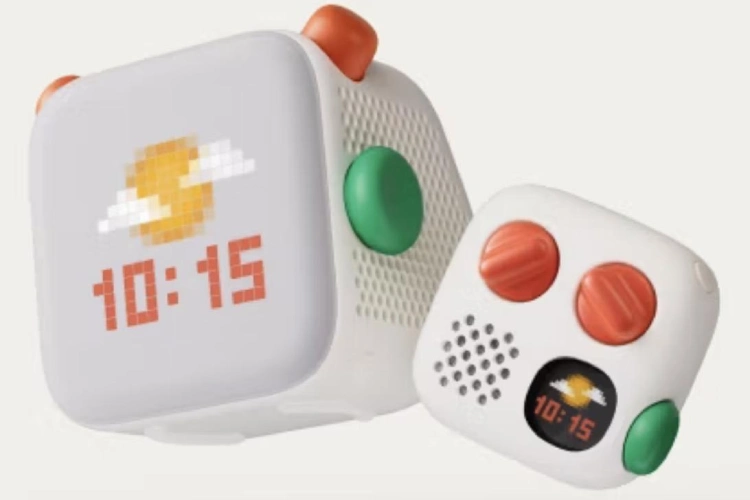
Does It Actually Reduce Screen Time?
Reviewers who directly compared screen-based alternatives against Yoto report a genuine drop in requests for tablet or TV time once a Yoto is part of the routine — one tech reviewer testing it alongside a Toniebox over two weeks found both devices measurably cut down their kids' TV time. The mechanism is simple: a child who's absorbed in an audiobook or a music card isn't simultaneously asking for a screen. It's not a guaranteed fix for every household, but it's one of the few kids' gadgets with reviewers consistently reporting less screen time as a side effect rather than more.
The Cost Question: Are the Cards Worth It?
The only substantive complaint that comes up repeatedly is the price of cards, typically around $10 each. Parents who've used Yoto long-term have landed on a few ways to manage this rather than seeing it as a dealbreaker: treating cards as proper gifts for birthdays and holidays rather than routine purchases, using a Yoto Club membership or audiobook services like Libro.fm to load content onto blank Make Your Own cards more cheaply, and reselling cards their kids have outgrown. Several reviewers also point out that kids tend to replay the same handful of cards constantly, so a modest card collection goes much further than the per-card price suggests.
How Does It Hold Up Day to Day?
Build quality and daily reliability come up as a quiet strength rather than a headline feature — the device is designed to survive being dropped, carried around, and handled by small kids without adult care, and most long-term reviews don't report it breaking down under normal use. The bigger daily-life win parents mention is the bedtime routine: a Yoto left playing a sleep story or soundscape removes the need for a parent to sit in the room until a child falls asleep, which is the kind of small, repeated win that adds up to real value over months of ownership.
Who Yoto Is Worth It For (and Who Might Skip It)
• Worth it for: families who want a genuinely screen-free option their child can operate independently, households leaning on audiobooks or a consistent bedtime routine, and parents who want their phone back during downtime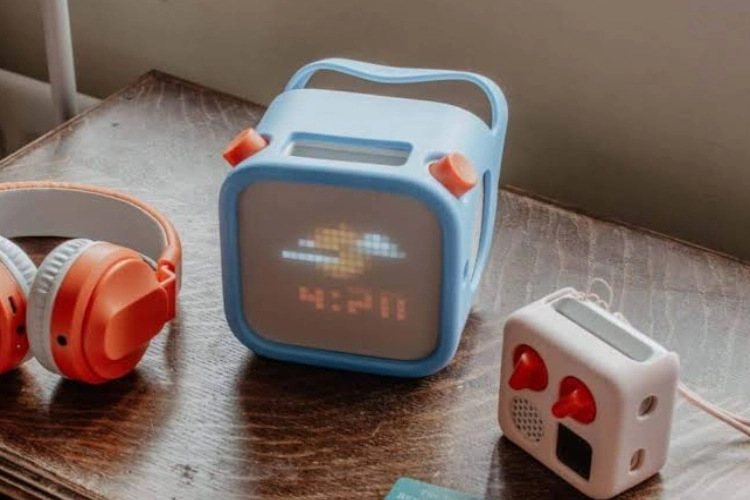
• Worth it for: kids who are already showing interest in books, music, or podcasts and would benefit from easier, unsupervised access to that content
• Maybe skip it for now if: your child is still too young to handle cards independently (see our guide on using Yoto with babies under 2), or your family already has a screen-free routine that's working well without it
Frequently Asked Questions
Do most parents think Yoto is worth the money?
Based on independent parent surveys and reviews, yes — the consensus is strongly positive, with the device's heavy, repeated use cited as the main reason it justifies the cost.
What's the biggest complaint parents have about Yoto?
The price of individual cards, at roughly $10 each, is the most consistently mentioned downside. Most parents offset this through gifting, card-swapping, resale, or Make Your Own cards rather than seeing it as a reason to skip the purchase.
Does Yoto actually reduce screen time?
Reviewers who've tracked it report a real reduction in screen requests once Yoto becomes part of the routine, since a child absorbed in audio content isn't simultaneously asking for a tablet.
Is Yoto worth it if my child already has a tablet or other audio player?
It depends on whether the appeal is specifically the screen-free, independently-operable design. If a household's existing device already serves that purpose well, Yoto adds less value; if the alternative is a screen-based device, the switch tends to be the bigger win.
Final Verdict
Across independent reviews and parent surveys, Yoto earns its price tag through sheer frequency of use rather than any single standout feature — it's the rare kids' gadget that reviewers describe kids actually reaching for on their own, repeatedly, months after the novelty would normally wear off. The card cost is real but manageable, and the screen-free independence is difficult to replicate with any tablet-based alternative. For families deciding between generations or against competitors, our Yoto Player 4th Gen vs 3rd Gen comparison and our Yoto vs Toniebox comparison can help you decide exactly which one to buy.
Written by
Admin
You might also like
 Tech
Tech
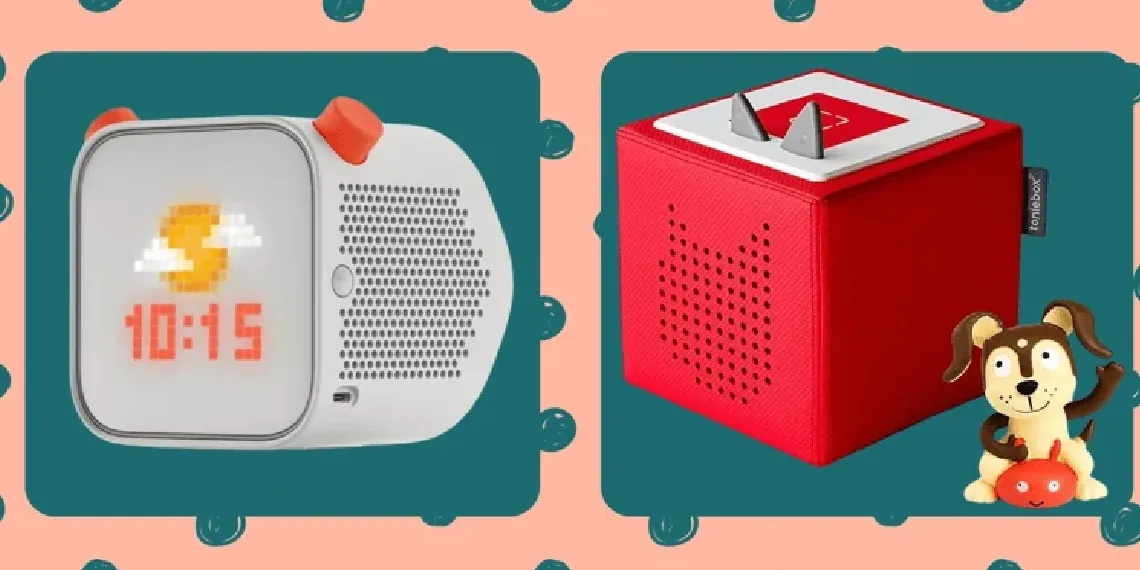
Yoto vs Toniebox UK: Which Screen-Free Audio Player Is Actually Better?
Yoto or Toniebox? We compare UK pricing, durability, age range, and content libraries for both screen-free audio players to help you pick the right one.
 Tech
Tech
Eight Sleep Review - Is This Smart Sleep System Actually Worth It?
Eight Sleep makes AI-powered smart beds that cool, heat, and track your sleep automatically. Here's an honest look at the brand and whether it delivers.
 Aug 18, 2026
 Tech
Tech
What Vitamin C Does for Skin - and Why Most People Are Using It Wrong
What vitamin C actually does for skin, why formulation matters more than concentration, and the common mistakes.
Aug 13, 2026
0 Comments
No comments yet - be the first to share your thoughts.