
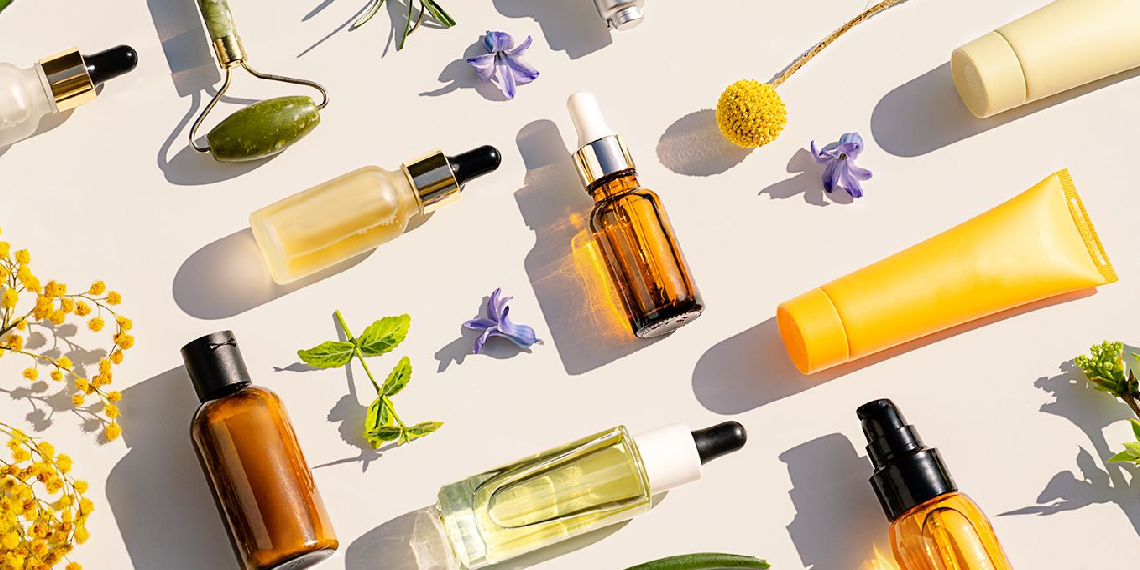
Natural origin does not automatically mean effective. The history of skincare includes many plant extracts that were added to formulations because they sounded appealing, photographed well in the marketing, and had no meaningful effect on skin at the concentrations used.
Natural Ingredients With Genuine Evidence
Retinol — technically a natural compound (vitamin A), commonly synthesised for skincare use. The strongest evidence base of any anti-aging active.
Niacinamide — vitamin B3, found widely in food sources. Documented for pores, oil control, hyperpigmentation, and barrier function.
Squalane — derived from olives or sugarcane in its sustainable modern form. Excellent emollient, non-comedogenic, compatible with all skin types.
Glycerin — plant-derived. The most evidence-backed humectant available.
Glycolic acid — derived from sugar cane. The most documented AHA for exfoliation and texture improvement.
Salicylic acid — originally from willow bark. The documented BHA for pore-clearing and acne management.
Rosehip oil — high in linoleic acid and vitamin A precursors. Documented for hyperpigmentation and dry skin.
Green tea extract (EGCG) — antioxidant with documented topical activity. The caffeine in green tea specifically addresses vascular dark circles.
Natural Ingredients That Are Popular Without Strong Evidence
Coconut oil for face — comedogenic for most acne-prone skin. The moisturising properties are real; the pore-blocking properties make it inappropriate for the face for many.
Turmeric — significant anti-inflammatory effects in dietary form. Topical effect at cosmetic concentrations is minimal.
Rose water — pleasant, minimally irritating, mild anti-inflammatory. Not a significant treatment for any specific skin concern.
Charcoal — effective in gut-level detoxification. Topical mechanism is not documented at cosmetic concentrations.