


A good skincare routine addresses the skin’s surface. Acne often originates well below the surface — in hormonal changes, in gut microbiome, in mechanical factors, in product ingredients that the routine itself is applying. A good skincare routine doesn’t automatically prevent breakouts if the cause isn’t addressed by surface treatment.
The Most Common Non-Surface Causes
Hormonal fluctuation. The most consistent acne trigger for adult women. Cyclical breakouts that follow a monthly pattern, breakouts that worsen under stress (cortisol affects sebum production), or breakouts that appeared or worsened in your 30s are typically hormonal. No topical skincare routine fully addresses hormonal acne — this is where a dermatologist conversation about oral treatments becomes relevant.
Diet — specifically high-glycemic foods and dairy. The glycemic-acne connection is the best-documented dietary relationship in the acne literature. High-glycemic foods (sugar, refined carbohydrates) increase insulin and IGF-1, which stimulate sebum production. Dairy contains hormones that activate sebaceous glands in acne-prone individuals. Both connections are documented in controlled studies rather than anecdote.
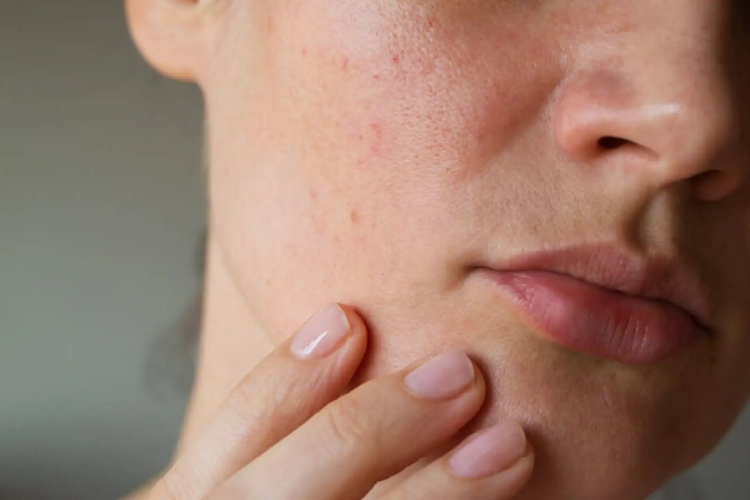
Pillowcase and phone screen. Both contact the face regularly and both accumulate bacteria, oil, and product residue. Weekly pillowcase changes and regular phone screen wiping remove two consistent mechanical acne triggers that most skincare routines don’t address.
The Skincare-Related Causes
Overusing actives. A routine with multiple exfoliating acids, retinol, and vitamin C simultaneously can disrupt the skin barrier in ways that worsen acne rather than preventing it. A compromised barrier is more susceptible to bacterial colonization and inflammation.
Using products with comedogenic ingredients. Specific ingredients clog pores in acne-prone skin — certain oils (coconut oil, wheat germ oil), certain emulsifiers. Non-comedogenic product selection matters specifically for acne-prone skin.
Not cleaning makeup brushes. Acne-causing bacteria accumulates on makeup brushes and sponges rapidly. Weekly brush cleaning with a gentle cleanser is the most overlooked acne prevention step in most routines.