

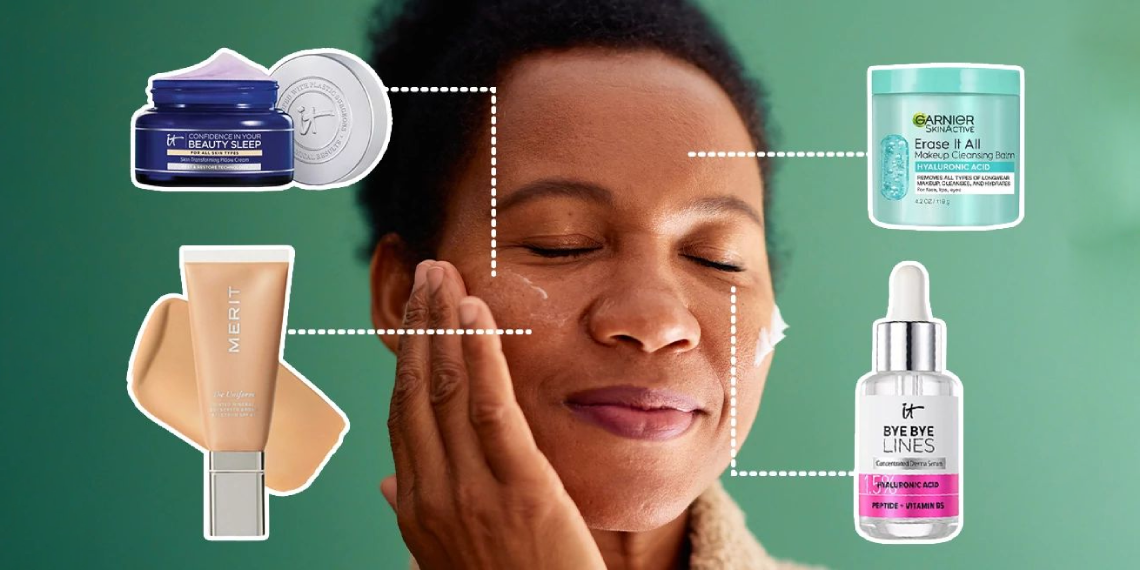
Winter produces specific skin changes: cold outdoor air holds less moisture than warm air, indoor heating further dehumidifies indoor environments, and the skin attempts to maintain its moisture content against both. The result is that a moisturiser adequate in summer becomes inadequate in winter — not because the product has changed but because the environmental demand has.
What to Adjust
Switch to a cream cleanser or reduce cleansing frequency. A gel or foam cleanser that felt gentle in summer may be too stripping when the skin’s moisture content is already lower. A cream cleanser removes debris while preserving more of the skin’s natural oils.
Add a humectant layer. Hyaluronic acid or glycerin applied to slightly damp skin before moisturiser draws water to the skin from the environment. In low-humidity winter air, pair with an occlusive (the moisturiser) immediately after — humectants without occlusion in dry air can draw water from the skin rather than toward it.
Upgrade the moisturiser weight. If you used a gel-cream in summer, move to a cream. If you used a cream, move to a heavier cream or add a facial oil at the last step to seal everything in.
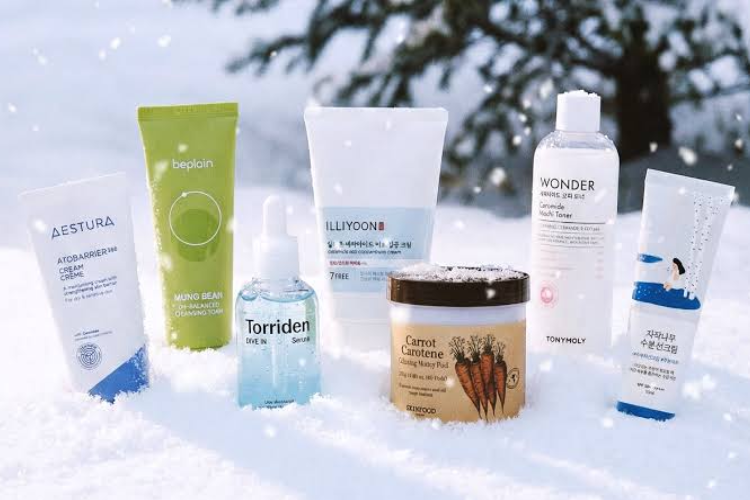
Add a bedroom humidifier. The 7-8 hours spent sleeping in heated, dry air is where the most cumulative moisture loss happens overnight. A humidifier in the bedroom is the one environmental change with the most direct impact on winter skin dryness.
Continue SPF. UVA radiation doesn’t decrease significantly in winter. The daily SPF habit should continue regardless of whether it feels like UV exposure weather.
The Mustela Body Lotion in Winter
For body skin specifically, the Mustela Hydra Bébé Body Lotion applied immediately after showering while skin is still slightly damp traps residual moisture against the skin barrier. This application timing produces significantly better moisturisation than applying to dry skin from a distance of an hour after showering. Available at mustelausa.com.