

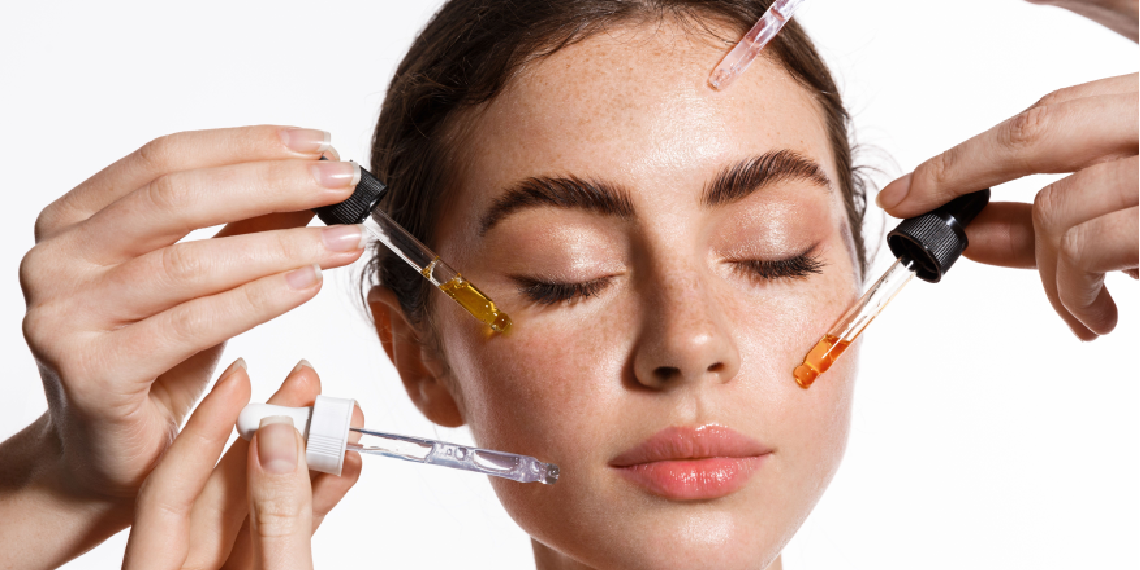
Vitamin C is one of the most evidence-backed skincare ingredients available. It’s also one of the most consistently misunderstood — the benefits are real but they depend significantly on formulation stability and application method that most product descriptions don’t adequately explain.
What Vitamin C Actually Does
Antioxidant protection. Free radicals — produced by UV, pollution, and normal metabolism — damage skin cell DNA and collagen. Vitamin C neutralizes these before they cause damage. Applied before SPF, it provides additional protection beyond what sunscreen delivers on its own.
Collagen synthesis support. Vitamin C is chemically required for collagen production. The skin synthesizes collagen continuously — vitamin C in the skin supports this process. The effect on firmness and texture is real but accumulates over months rather than appearing in weeks.
Brightening and hyperpigmentation reduction. Vitamin C inhibits the enzyme (tyrosinase) that produces melanin. Over consistent use, it reduces the appearance of dark spots, post-acne marks, and uneven tone. This takes the longest of the three mechanisms — typically three to six months of consistent application to see meaningful results.
Why Formulation Matters More Than Concentration
Pure vitamin C (L-ascorbic acid) oxidizes rapidly when exposed to air and light. An oxidized vitamin C serum provides antioxidant benefit to itself rather than to your skin — you’re applying a product that’s already neutralized. The yellow-to-orange discolouration of an older serum is oxidation. Once it looks like orange juice, it’s done its antioxidant work in the bottle, not on your face.
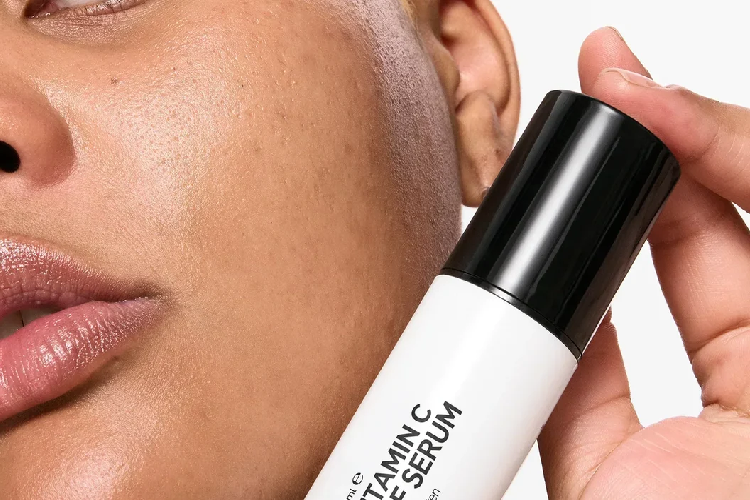
What this means practically: dark glass packaging, airtight pump dispensers, stored away from light. Tubes are better than droppers for limiting air exposure. Vitamin C derivatives (ascorbyl glucoside, tetrahexyldecyl ascorbate) are more stable but require conversion in skin — they work more slowly but more reliably if storage isn’t controlled.
The Application Mistake
Apply on bare skin before other products. Applying vitamin C on top of moisturiser creates a barrier between the vitamin C and the skin surface — it can’t penetrate effectively. Vitamin C → other water-based products → moisturiser → SPF is the sequence that allows the ingredient to work.