
Most people have slept under a polyester duvet their entire lives and never thought much about it. Then at some point — maybe after a particularly sweaty summer night, or a winter where they couldn’t get warm enough, or after reading something about what synthetic bedding is actually made from — they start wondering if there’s a better option.
The Wool Room is one of the most established answers to that question in the UK. They’ve been making natural wool bedding since 2008 and have built a reputation in a niche that most high-street retailers simply don’t serve. Whether they’re worth the significant price premium over conventional bedding is what this review actually addresses.
Who The Wool Room Is
The Wool Room is a UK-based specialist bedding brand focused entirely on wool and other natural fibres. Unlike a department store that might carry one or two wool options alongside a hundred synthetic products, The Wool Room’s entire range is built around natural materials — wool, cotton, and occasionally cashmere.
Their wool comes from British Woolsafe approved sources, and the brand is transparent about their supply chain in a way that distinguishes them from cheaper alternatives that may use the word “wool” while delivering something considerably less pure.
The range covers duvets, pillows, mattress toppers, mattress protectors, and bedding bundles. Most products are available in multiple togs for different sleeping temperatures, and the brand offers guidance on choosing the right weight for your sleeping style and the time of year.
What Makes Wool Bedding Different
The case for wool over synthetic comes down to a few things that aren’t just marketing.
Wool is a natural temperature regulator. The fibre structure of wool allows it to absorb and release moisture — specifically, the water vapour your body produces while you sleep — without feeling damp. This is the reason wool sleepers tend to feel more comfortable across a wider temperature range than people under synthetic duvets.
A synthetic duvet filled with hollow fibre polyester traps heat. When you’re too warm, you have no mechanism for releasing it except kicking the duvet off. Wool, by contrast, is constantly managing that moisture and temperature exchange, which is why wool sleepers often report needing fewer nighttime adjustments.
Wool is also naturally hypoallergenic — not in the “we added some chemical treatment” way, but structurally. The lanolin in wool creates an environment that resists dust mites and mould in a way that synthetic fillings don’t. For allergy sufferers or people with asthma, this matters.
The trade-off is price. Wool costs more to produce than polyester. A quality wool duvet from The Wool Room starts around £100 and goes considerably higher for larger sizes and higher weights. It is unambiguously a premium product.
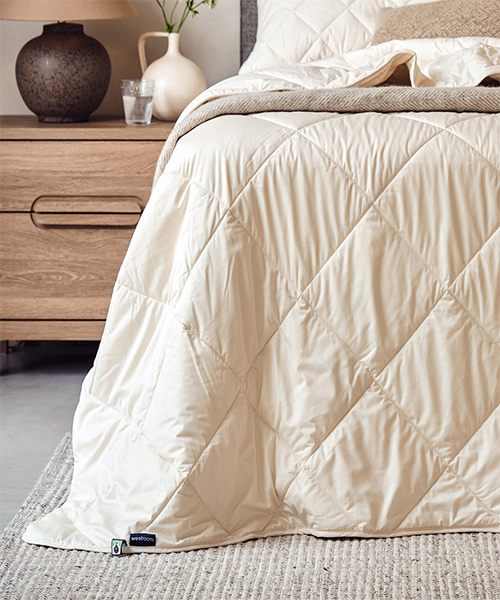
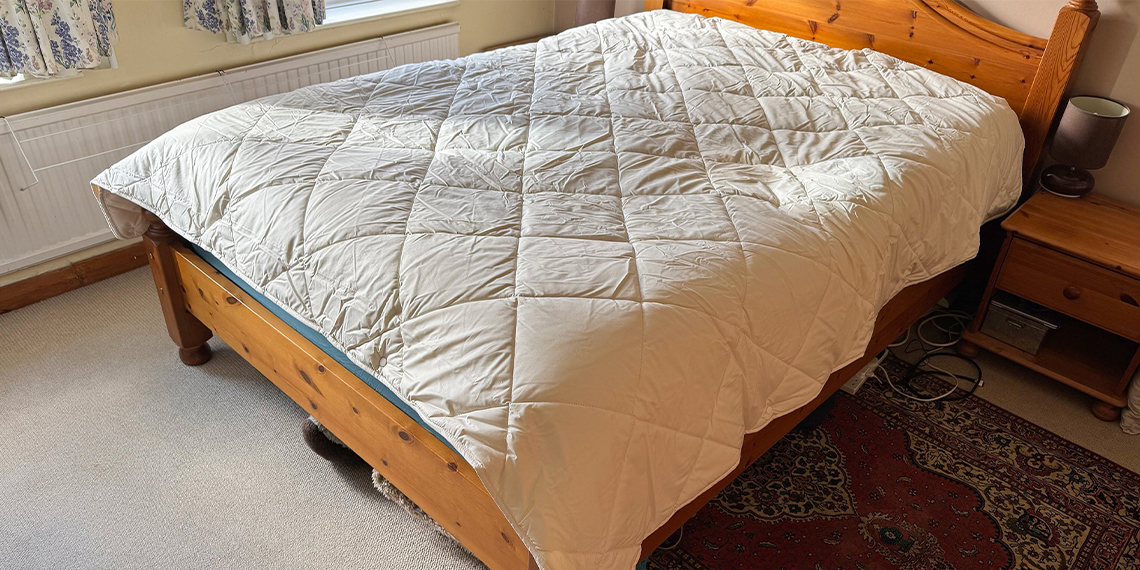
The Wool Room’s most popular product is their Classic Wool Duvet, which comes in 4.5 tog, 9 tog, 10.5 tog, and 13.5 tog options. The casing is 100% cotton percale, and the fill is natural British wool.
4.5 tog: Summer weight. Suitable for warmer sleepers or anyone using the duvet in a well-heated room.
9 and 10.5 tog: The all-season options. The 10.5 is the most frequently recommended by the brand for year-round use in a UK bedroom — warm enough for winter with the temperature regulation properties preventing overheating in summer.
13.5 tog: Their warmest option, suited to colder sleepers, unheated bedrooms, or people who simply run cold.
They also offer a Luxury Wool Duvet at a higher price point with a finer wool fill and higher thread count cotton casing. The difference in feel is real — the Luxury version has a softer, more down-like drape — but whether it justifies the additional cost depends on how much you care about that tactile quality.
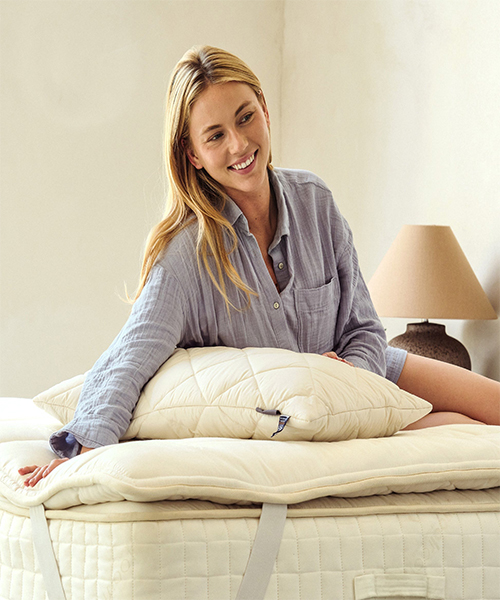
The pillow range follows a similar structure to the duvets — a Classic option at an accessible price point and a Luxury version for those who want the finer specification.
The pillows are worth mentioning specifically because wool pillows are considerably less common than wool duvets, and The Wool Room does them well. The fill provides good support without the flatness that can develop in synthetic pillows over time. Wool’s moisture management properties also apply here — wool pillows tend to sleep cooler than memory foam alternatives, which can run warm.
The mattress topper is one of the brand’s more interesting products. It sits between the mattress and the fitted sheet and adds a layer of wool fill to extend the temperature regulation effect across the entire sleeping surface. For anyone with a mattress that tends to trap heat, this can make a genuine difference.
What Customers Actually Say
Reviews across the brand’s own site and third-party platforms consistently mention two things: the improvement in sleep quality — particularly for people who previously ran hot — and the durability. Wool bedding that’s properly cared for lasts significantly longer than synthetic alternatives, and The Wool Room’s products seem to hold up well over multiple years of use.
Negative reviews tend to cluster around one area: the price, and specifically the question of whether the improvement in sleep quality is sufficient to justify it. This is a reasonable concern and there’s no objective answer — it depends on how much sleep quality matters to you personally and how the cost compares to other discretionary spending in your life.
A smaller number of reviews mention that the duvets have a faint natural wool smell when new, which fades with airing. This is normal and expected with natural wool products.
Care and Longevity
The Wool Room’s duvets are wool-wash compatible, which means they can be machine washed on a wool cycle — an advantage over some wool products that require dry cleaning only. Regular airing is recommended over frequent washing. Because wool naturally resists odours and dust mites, it needs washing less frequently than synthetic bedding.
Properly cared for, a quality wool duvet should last ten to fifteen years. By that measure, the price premium over synthetic bedding is considerably less dramatic than the upfront cost suggests.
Is The Wool Room Worth It?
For anyone who struggles with temperature regulation during sleep — either running too hot or inconsistently warm throughout the night — yes, genuinely. The difference between sleeping under wool and sleeping under synthetic is real and noticeable, particularly in the warmer months when a heavy duvet becomes uncomfortable but a light one isn’t quite enough.
For anyone who simply needs a warm duvet and has no particular complaints about their current sleep, the case is less clear-cut. It’s a better product, but whether it’s better enough to justify the price gap is a personal calculation.
The Classic range is where most people should start — it offers the full benefit of wool at a price that’s high but not eye-watering. The Luxury range is for people who already know they love sleeping under wool and want the finest version of it.