

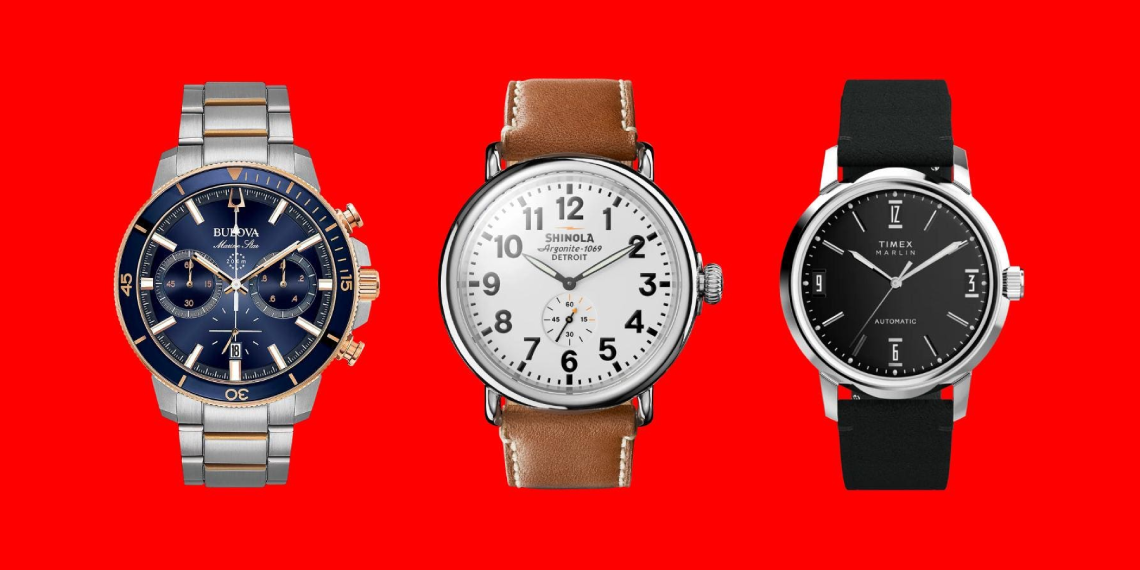
Both brands occupy similar positions in the accessible watch market: American brands, mid-range prices, marketed toward daily wear. The comparison is natural and the answer is less obvious than the price difference suggests.
The Core Difference
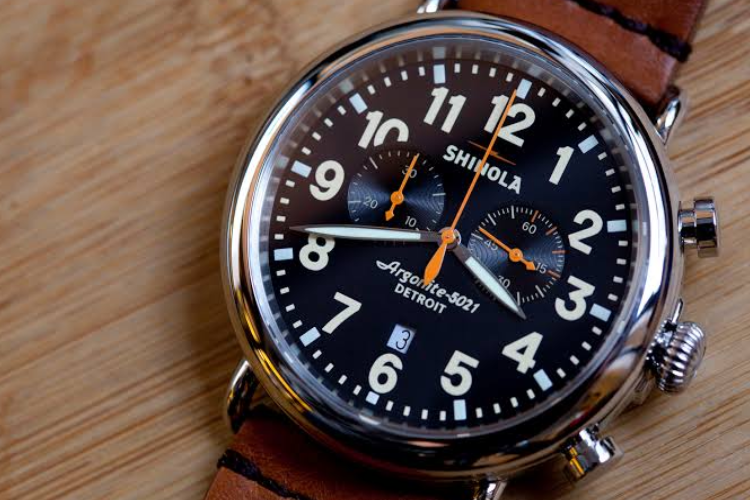
Shinola manufactures in Detroit, uses Horween leather straps, Argonite quartz movements, and backs their watches with a lifetime warranty. The construction is designed for longevity.
Fossil manufactures at scale across multiple international factories, uses proprietary quartz movements, and is positioned as a fashion accessory that happens to tell time. The design output is high — Fossil releases many watches per season. The longevity engineering is lower.
Side by Side
|
Shinola |
Fossil |
|
|
Manufacturing |
Detroit, USA |
International (multiple) |
|
Movement |
Swiss Argonite quartz |
Fossil proprietary quartz |
|
Strap material |
Horween leather |
Standard leather/synthetic |
|
Warranty |
✅ Lifetime |
2 years |
|
Price range |
$595–$900+ |
$65–$200 |
|
Design releases |
Limited seasonal |
High-volume seasonal |
|
Best for |
Long-term investment |
Fashion accessory, frequent replacement |
When to Buy Shinola
You want a watch that will still be functioning and still looking right in fifteen years. You’re treating the purchase as an investment rather than a seasonal accessory. The Shinola Birdy at from $675 from shinola.com is the right choice here — the lifetime warranty means you’re buying the last watch in this category.
When to Buy Fossil
You want to change watches seasonally or yearly. Budget is the primary consideration. You’re buying a watch as an accessory that complements outfits rather than as a timepiece you’ll carry long-term.
The Honest Comparison
Fossil is not a bad watch. At $100–$200 it’s a well-designed accessory. The issue is that at that price you’re replacing it every few years as the movement degrades or the strap fails, and the cumulative cost across a decade approaches or exceeds the Shinola price.
If you can justify the upfront spend: Shinola. The lifetime warranty makes the comparison straightforward once you do the ten-year math.