


The skincare layering question sounds complicated and the answer is simple. One principle determines the order: thinnest to thickest. Lightweight water-based products go first because they penetrate best when there’s nothing blocking them. Heavy oils and creams go last because they seal everything underneath.
The Order and Why
Cleanser — removes what’s on the skin. Creates a clean surface.
Toner — water-based, the thinnest leave-on product. Goes immediately after cleansing. Preps skin and adds a first layer of hydration.
Serum — concentrated actives in a lightweight base. Goes before moisturiser so the actives reach skin rather than sitting on top of a heavier product.
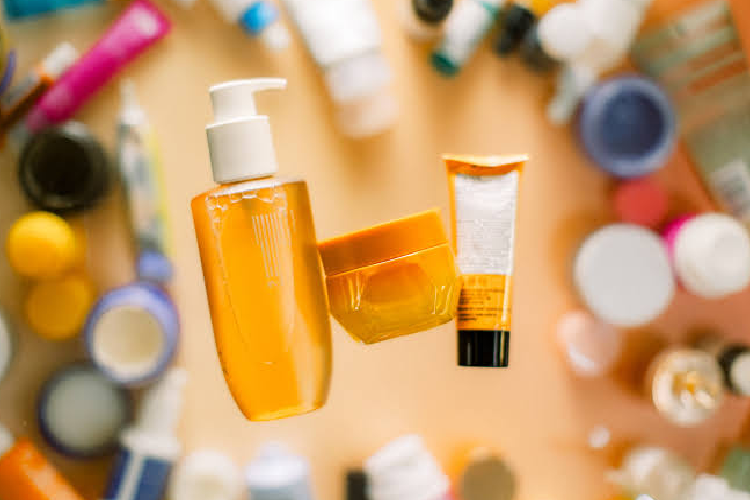
Eye cream — typically goes before general moisturiser. The eye area has thinner skin — applying dedicated products here before covering with a richer face moisturiser makes sense both practically and structurally.
Moisturiser — medium-weight, seals in the serums and adds hydration.
Face oil — last among leave-on products. Oils are occlusive — they trap what’s underneath, which is why they go on last.
SPF (morning only) — the very last step. SPF forms a filter on the skin surface and must not be applied underneath other products or the protection is compromised.
The One Exception
Vitamin C applied before SPF enhances the SPF’s protective effect. This is a case where two products working together produce better results than either alone.
The Common Mistakes
Applying face oil before serum — the oil blocks the serum from reaching the skin. Apply serum first, oil last.
Mixing SPF into moisturiser rather than applying separately — the dilution reduces the effective SPF concentration below the labeled rating.
Skipping toner because it seems unnecessary — for dehydrated or dry skin specifically, the toner layer makes a meaningful difference to how subsequent products perform. For oily skin in a humid climate, toner is genuinely optional.