

Most skin signals have specific meanings that translate to specific interventions — but the skincare industry has a vested interest in framing every sign as a product deficiency. Some signs are product deficiencies. Others are health signals, environmental responses, or communication from a skin barrier that’s been overworked.
Common Signs and What They Mean
Tight, uncomfortable feeling after cleansing. The cleanser is stripping. The cleanser is either too alkaline, too high in surfactants, or being used more frequently than necessary. The solution is a gentler cleanser, not a hydrating serum to compensate for the stripping.
Persistent dryness despite moisturiser. Either the moisturiser isn’t providing enough occlusion (add an oil or a heavier cream), or the barrier is significantly compromised and needs repair (look for ceramides), or the environment is drying faster than the moisturiser can compensate (humidifier in the bedroom).
Congestion and texture without active breakouts. Usually accumulated dead skin cells and product residue that aren’t being cleared effectively. Exfoliation (chemical exfoliant, once or twice weekly) addresses this more specifically than any moisturiser.
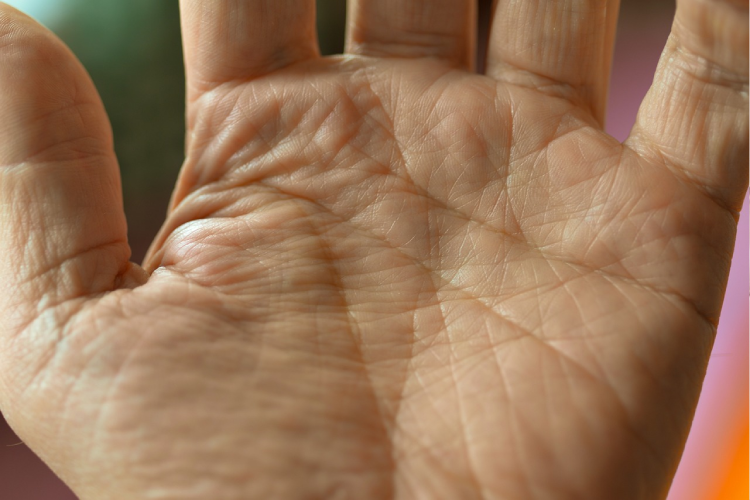
Redness and sensitivity to products that previously worked. Often over-exfoliation or over-activing — using too many acids and actives simultaneously. The skin barrier has been compromised. Pull back on actives, add barrier-supportive ingredients (ceramides, fatty acids), allow the barrier to repair before reintroducing.
Oiliness that increases during the day despite a normal morning skin state. Skin is compensating for over-drying. Paradoxically, over-cleansing and stripping cleansers trigger increased sebum production as the skin attempts to compensate for the moisture loss. Less frequent cleansing or a gentler cleanser often reduces oiliness more effectively than oil-control products.
Breakouts in consistent locations. Location provides information. Hormonal acne typically appears on the lower face, jaw, and chin. Congestion breakouts appear across the T-zone. Hair product-related breakouts appear along the hairline. Each pattern points to a different cause requiring a different response.