
Augustinus Bader Review 2026: A Real Scientist, Unproven Cosmetic Claims
Some links in this article are affiliate links. If you buy through them we may earn a commission, at no extra cost to you.
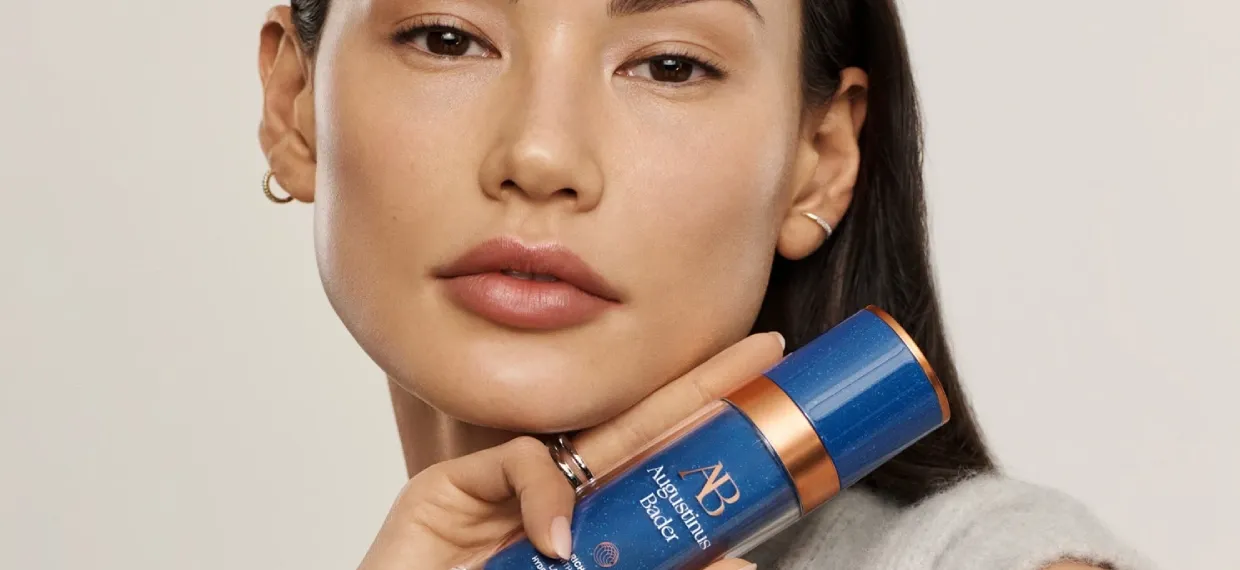
Augustinus Bader's name alone does a lot of marketing work, Professor Dr. Augustinus Bader is a genuinely credentialed stem-cell and tissue-engineering researcher, and that scientific pedigree sits behind every bottle the brand sells. What's worth separating out clearly, and what independent reviewers have had real trouble verifying, is whether the specific anti-aging and skin-rejuvenation claims made for the finished $265 face cream are backed by the same rigor as the professor's actual medical research. Those are two different questions, and this review tries to answer both honestly.
PickSuperb Verdict Box
Category | Verdict |
PickSuperb Score | 5.8 / 10 |
Best For | Shoppers drawn to the founder's real scientific pedigree who want genuine hydration and texture improvement, not a clinically proven anti-aging guarantee |
Starting Price | The Cream ~$99-565 depending on size; Serum ~$185-270 |
Standout Feature | Co-founder Prof. Augustinus Bader holds a genuine, verifiable academic post in stem-cell biology at the University of Leipzig since 2003 |
Biggest Catch | Independent reviewers, including a UC Davis stem-cell biologist, could not find registered clinical trials or published evidence supporting the specific cosmetic claims made for TFC8 in the finished skincare products |
Reputation Note | Trustpilot shows a weak 1.9/5 from just 63 reviews on an unclaimed profile, likely skewed toward complainants rather than representative of the full customer base |
Prof. Bader's underlying medical credentials and wound-care research are real and independently verifiable, a genuine point of distinction from most luxury skincare marketing. The specific cosmetic efficacy claims for TFC8 in the finished products are considerably less substantiated by public, independent evidence, worth knowing before paying a luxury price for them.
Brand Snapshot
Professor Dr. Augustinus Bader has a real, extensively documented medical and academic career: a medical degree from Würzburg, a Harvard postdoctoral fellowship, and since January 2003, a full professorship in stem cell biology and cell technologies at the University of Leipzig's Biotechnological-Biomedical Center, where his research covers tissue engineering, regenerative medicine, and burn treatment. He co-founded the consumer skincare brand in 2018 with Charles Rosier, a former investment banker who serves as CEO, not Charlotte Chung, a name sometimes mistakenly associated with the brand. The company is headquartered in London and backed by a notable investor group, including French investment group Impala as a longtime lead backer, General Atlantic (which joined in a November 2022 round), and individual investors including Antoine Arnault of LVMH and supermodel Natalia Vodianova. That November 2022 round valued the company at $1 billion, giving it unicorn status. More recently, reporting indicates the company explored a sale process through Centerview Partners that reportedly did not materialize amid a 2025-2026 growth slowdown, details we're flagging as reported rather than independently confirmed, since the underlying reporting wasn't fully accessible for verification.
Product Deep Dive: What TFC8 Actually Is, and Isn't
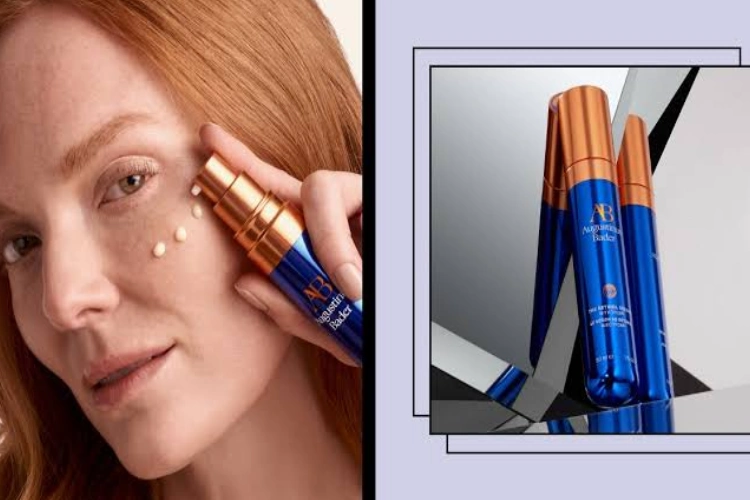
Augustinus Bader's proprietary complex, TFC8 (Trigger Factor Complex 8), is marketed as inspired by Prof. Bader's stem-cell and wound-healing research, originally developed for a medical-grade wound gel used in burn treatment, a separate, differently-regulated product from the cosmetics line. What's publicly disclosed about TFC8's actual composition is limited, general ingredient categories like amino acids, peptides, and ceramides, without a full published breakdown. The flagship products include The Cream and The Rich Cream (moisturizers), The Serum and The Retinol Serum, plus face oil, eye cream, body care, and hair care lines, with The Cream priced roughly $99-565 depending on size and retailer, and serums typically $185-270 for a 30ml bottle.

Augustinus Bader — Representative Pricing
Product | Price Range |
The Cream (by size) | $99 - $565 |
The Serum | ~$185 - $270 |
The Rich Cream | Comparable to The Cream |
Pros and Cons
Pros
• Co-founder Prof. Augustinus Bader's academic credentials are real and independently verifiable, a genuine stem-cell biology professorship at the University of Leipzig since 2003, not a marketing invention
• Lifestyle and beauty press (Refinery29, Marie Claire, WhoWhatWear, Stylist) generally report genuine short-term hydration and texture improvement, especially for drier or mature skin
• An independent ingredient-review site (DermFND) rates the TFC8 complex itself 'Promising,' not debunked, even while noting dramatic rejuvenation claims are hard to verify
• No FTC action, lawsuit, or formal regulatory finding against the brand was found in available sources
• Real luxury retail distribution (Sephora, Nordstrom, Cult Beauty) suggests a genuinely established, functioning business rather than a fly-by-night operation
Cons
• Independent scrutiny, most notably from Prof. Paul Knoepfler, a UC Davis stem-cell biologist, found no registered clinical trials on ClinicalTrials.gov under the brand's name and no established scientific meaning for 'TFC8' in PubMed searches
• Trustpilot shows a weak 1.9/5 from just 63 reviews, and the brand hasn't claimed its own profile, both signs the sample may be thin and skewed toward complainants rather than representative
• Recurring complaint themes include slow or AI-only customer service, difficulty cancelling auto-replenish subscriptions, and underfilled pump dispensers
• Pricing sits at genuine luxury tier ($265+ for a single cream) without the same depth of published clinical literature that peer luxury brands like SkinCeuticals can point to
• The underlying brand name, a credentialed scientist's name attached to specific skincare efficacy claims, creates a real risk of buyers assuming more clinical rigor stands behind the finished product than independent reviewers could actually verify
What Real Customers and Reviewers Are Saying
"My skin genuinely felt more hydrated and plump within a few days, the texture difference was noticeable." — Beauty editor review, WhoWhatWear
"Couldn't get a straight answer from customer service about cancelling my subscription, ended up disputing the charge with my card." — Verified Trustpilot review
"Pump dispenser felt underfilled compared to what I expected for the price, product ran out faster than it should have." — Verified Trustpilot review
"I could not determine what TFC8 actually is from any public source, and a PubMed search for the term returns an unrelated gene." — Prof. Paul Knoepfler, UC Davis stem-cell biologist, independent analysis
"The base formula's glycerin and ceramides likely do most of the immediate hydration work, dramatic rejuvenation claims are hard to verify independently." — DermFND, independent ingredient review
How Augustinus Bader Compares to the Competition
Brand | Price Tier | Notable Trait |
Augustinus Bader | Luxury ($265+ cream) | Credentialed founder, thin independent clinical evidence for TFC8 claims |
La Mer | Luxury tier | Positioned on heritage 'Miracle Broth' fermentation story |
SkinCeuticals | Premium tier | Generally cited as having the strongest published clinical literature of the three |
Mid-range moisturizers | Budget to mid tier | Dermatologists quoted in coverage say comparable hydration/barrier benefits at a fraction of the cost |
Among its closest luxury peers, independent reviewers generally cite SkinCeuticals as having the strongest clinical backing of the group, while Augustinus Bader and La Mer both lean more heavily on founder story and heritage narrative than on published efficacy data for their specific finished products.
Who Should (and Shouldn't) Buy Augustinus Bader
Good Fit: Buyers Who Want Genuine Hydration and Are Drawn to the Founder Story
If real, credentialed scientific pedigree matters to you and you're buying primarily for hydration and texture improvement rather than a clinically-proven anti-aging guarantee, lifestyle press reviews generally back up genuine short-term results.
Weak Fit: Anyone Expecting Clinically Proven Anti-Aging Results
Given that independent reviewers couldn't locate registered clinical trials supporting the brand's specific rejuvenation claims, buyers seeking clinically-proven efficacy at this price point may be better served by a brand with more published, peer-reviewed data on the finished product.
Weak Fit: Anyone Who Wants an Easy Subscription to Manage
Given the documented pattern of subscription-cancellation complaints, buyers who sign up for auto-replenish should set a calendar reminder and confirm cancellation in writing.
Our Top Pick in the Lineup
Starting with the smallest size of The Cream, around $99, is a lower-risk way to evaluate the actual hydration and texture results on your own skin before committing to the larger, pricier sizes.
Pricing and Where to Buy
Augustinus Bader sells through augustinusbader.com and major retailers including Sephora, Nordstrom, and Cult Beauty. Given the subscription-cancellation complaints, buying a single bottle rather than enrolling in auto-replenish is a reasonable way to try the brand without that specific friction.
Understanding the Founder's Real Credentials vs. the Product's Marketing Claims
This distinction deserves to be stated plainly because it's the single most important honesty point about this brand. Prof. Bader's academic and medical career, a real professorship in stem cell biology at the University of Leipzig since 2003, decades of burn and wound-healing research, a genuine Harvard postdoctoral fellowship, is independently verifiable and not in dispute. What's considerably less documented is whether that research translates into the specific cosmetic claims made for TFC8 in a $265 face cream. Independent analysis, most substantively from Prof. Paul Knoepfler, found no registered clinical trials for the finished skincare products on ClinicalTrials.gov, and no established scientific literature specifically validating TFC8 as a cosmetic ingredient complex. This doesn't mean the products don't work, lifestyle press and an independent ingredient-review site both report genuine short-term hydration and texture benefits, likely from the formula's established humectants and ceramides. It does mean that a legitimate scientist's name and research background shouldn't be read as proof that the finished product's marketed anti-aging claims have cleared the same evidentiary bar as his actual peer-reviewed medical work.
Frequently Asked Questions
Is TFC8 clinically proven to reduce wrinkles?
Independent reviewers could not find registered clinical trials on ClinicalTrials.gov supporting the specific anti-aging and rejuvenation claims made for the finished cosmetic products. The complex is described by the brand as inspired by the founder's wound-healing research, but that's a different evidentiary standard from a published clinical trial on the cream itself.
Who really founded Augustinus Bader?
Prof. Dr. Augustinus Bader, a credentialed stem-cell biologist, co-founded the brand with Charles Rosier, a former investment banker who serves as CEO. Charlotte Chung is not connected to the company.
Is Augustinus Bader a good Trustpilot brand?
Its Trustpilot score is weak, 1.9 out of 5 from just 63 reviews on a profile the brand hasn't claimed, which likely skews toward complainants. Broader lifestyle and beauty press coverage is considerably more positive on the actual product experience.
Is Augustinus Bader worth the price compared to SkinCeuticals or La Mer?
Independent comparisons generally cite SkinCeuticals as having the strongest published clinical backing among the three. Augustinus Bader and La Mer both lean more on founder story and heritage narrative than on finished-product efficacy data, worth weighing against the price difference.
Is Augustinus Bader the same company behind the medical wound gel?
The brands share a scientific lineage but are legally distinct. Prof. Bader and Charles Rosier set up a separate entity to pursue regulated medical use of the wound-healing gel for burn patients, while the consumer skincare brand sold at retailers like Sephora is a different, cosmetics-regulated business built on the same underlying research story rather than the identical clinical product.
PickSuperb Scorecard
Category | Score |
Founder Credibility | 9.0 / 10 |
Product Claims Evidence | 3.5 / 10 |
Customer Experience | 4.5 / 10 |
Value for Money | 5.0 / 10 |
Reported Short-Term Results | 7.0 / 10 |
Overall PickSuperb Score | 5.8 / 10 |
Final Verdict
Augustinus Bader's founder story is genuinely more substantiated than most luxury skincare marketing, Prof. Bader's academic credentials are real and verifiable, and lifestyle press broadly reports real short-term hydration and texture benefits from the products themselves. Where the brand's marketing outruns the public evidence is the specific cosmetic efficacy of TFC8, independent reviewers couldn't locate the clinical trials or published data that would back the headline rejuvenation claims at this price point. If you're drawn to the brand for genuine hydration and the founder's real scientific background, rather than a clinically-proven anti-aging guarantee, it's a defensible luxury pick. For another beauty-adjacent brand we've reviewed with its own documented marketing-versus-evidence gap, see our Shinola Watch review.
Written by
Admin
You might also like
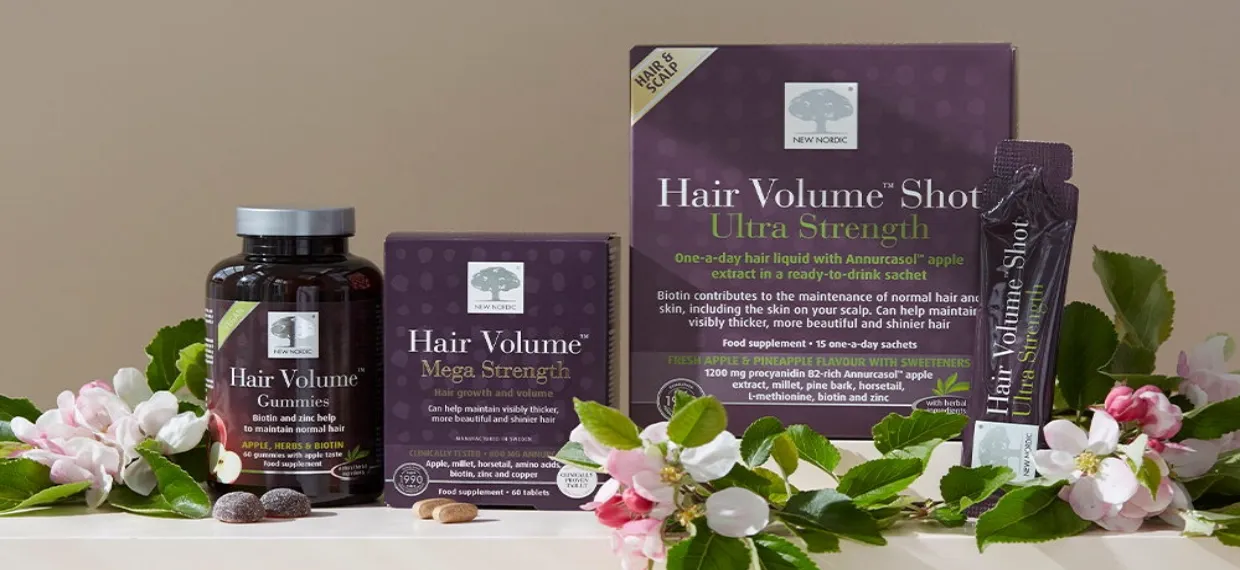
New Nordic UK Review 2026: Hair Volume and the Claims Behind It
Our PickSuperb New Nordic UK review covers Hair Volume pricing, real Trustpilot data, and a documented history of health-claim rulings against the brand in the UK and US.
SHAKE OVER Review: Hair Fibers That Instantly Hide Thinning Spots, From a German Haircare Brand
SHAKE OVER’s hair-thickening fibers from Bochum score 4.75/5 on Trusted Shops from 2,595 reviews, with buyers praising easy coverage. Some want more shades and a gentler spray attachment. Full honest verdict.
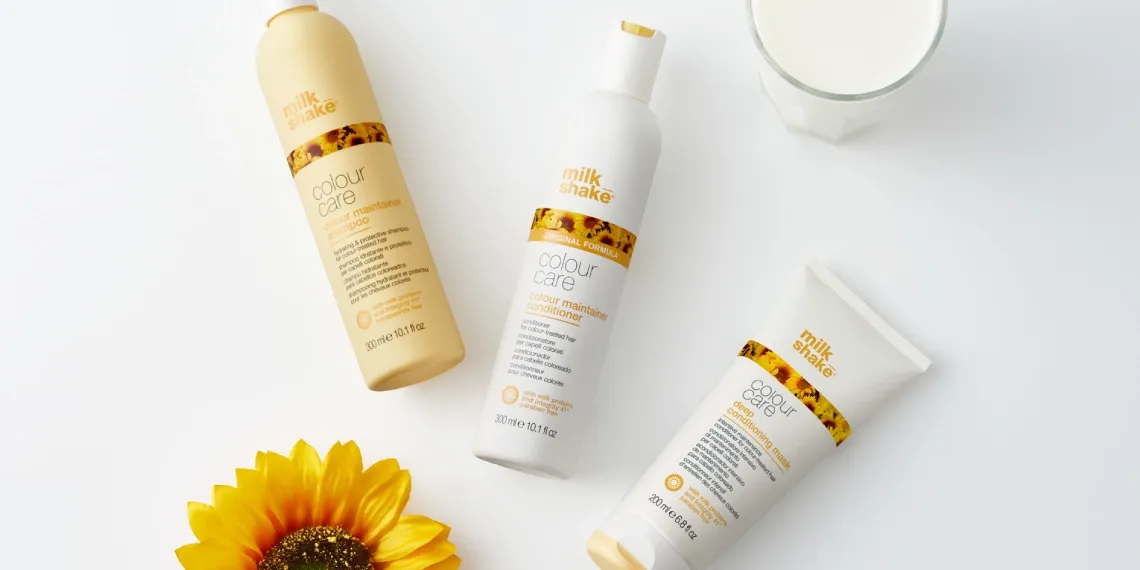
Milk Shake Review: Professional Italian Haircare With Fun Formulas and Standout Blonde Care
milk_shake’s Incredible Milk and whipped creams leave hair “so soft and shiny,” and its Icy Blonde shampoo wins blonde fans. But some found its frizz and mask products did nothing. Full honest verdict.
0 Comments
No comments yet - be the first to share your thoughts.