
“Moisturising” and “hydrating” are used interchangeably in skincare marketing. They describe different mechanisms, and understanding the difference changes how you select products and stack them.
Hydration refers to water content in the skin cells. Skin that’s dehydrated lacks water content — it looks dull, may feel tight, and fine lines appear more pronounced. Hydrating ingredients draw water to and into the skin.
Moisturising refers to preventing water loss from the skin’s surface. Skin that lacks moisture has an impaired barrier that allows water to evaporate — it feels rough, looks dull, and may be sensitive. Moisturising ingredients seal the barrier against this loss.
The Ingredient Types
Humectants — hydrate. These attract water to the skin from the environment and from deeper skin layers. Glycerin, hyaluronic acid, urea, aloe vera. They work by providing a binding site for water molecules.
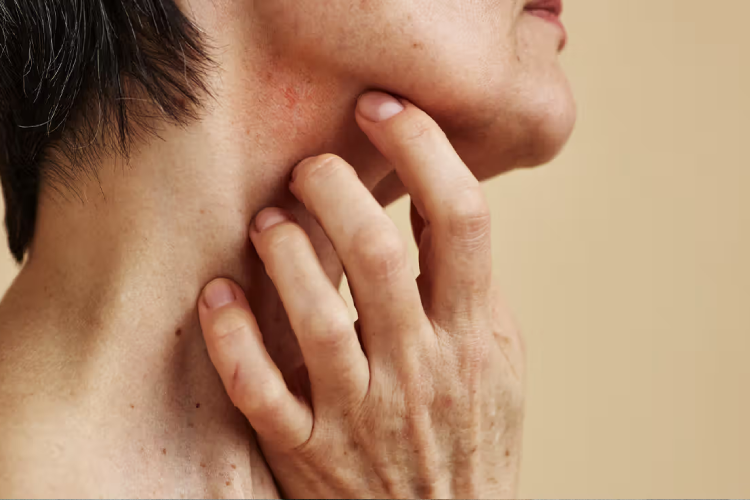
Emollients — fill gaps in the skin barrier and provide softness. Plant oils, fatty acids, ceramides, shea butter. They don’t attract water but they smooth the skin surface and support barrier function.
Occlusives — prevent water loss by forming a physical barrier on the skin surface. Petroleum jelly, beeswax, dimethicone. The heaviest and most barrier-supporting category.
Why the Layering Order Matters
Humectants work best when applied to damp skin and sealed with an emollient or occlusive. Applied to dry skin in a dry environment, hyaluronic acid can draw water from within the skin rather than from the environment — temporarily worsening dehydration. Apply to damp skin and follow immediately with moisturiser.
Occlusives applied without humectants underneath seal in whatever moisture is present — which may not be enough if the skin is already dehydrated.
The Practical Application
For dehydrated skin: add a hyaluronic acid or glycerin serum to slightly damp skin before moisturiser. The hydration layer, sealed by the moisturiser, provides more complete treatment than either alone.
For dry skin (barrier impairment): focus on the moisturiser itself — ceramides, fatty acids, and emollient oils in the moisturiser formulation address barrier repair more directly than hydrating serums alone.
Many people have both issues simultaneously. The approach: hydrating serum on slightly damp skin, followed by a ceramide-containing moisturiser.