

The pregnancy skincare avoidance list reads like it was designed to eliminate most of the effective skincare market: retinoids (vitamin A derivatives), high-dose vitamin C, certain chemical sunscreens, salicylic acid above specific concentrations, hydroquinone. For anyone who had an established skincare routine before pregnancy, the rebuild can feel overwhelming.
The practical version: most of what you were using is either fine or has a safe alternative. The list of genuinely concerning ingredients is shorter than it appears.
What to Actually Avoid (and Why)
Retinoids — prescription tretinoin and over-the-counter retinol. Vitamin A derivatives are associated with birth defects at high doses. Topical absorption is low but the precautionary principle applies. Avoid.
Benzoyl peroxide above 2.5% — limited data rather than specific concern. Most dermatologists suggest avoiding at higher concentrations.
Chemical sunscreen ingredients oxybenzone and octinoxate — some evidence of hormonal activity and placental transfer. Switch to mineral sunscreen (zinc oxide, titanium dioxide) during pregnancy.
Hydroquinone — used for hyperpigmentation, absorbs systemically at higher rates than most topical ingredients. Avoid.
Salicylic acid above 2% — the high-dose oral form is associated with pregnancy concerns. Topical 0.5–2% is considered acceptable by most guidelines.
Formaldehyde-releasing preservatives — present in some nail products and hair treatments. Avoid in high-concentration formulations.
What Remains Available — and Works
Glycolic and lactic acid (AHAs) at low concentrations — considered acceptable by most guidelines. Useful for the hyperpigmentation (melasma) that commonly develops during pregnancy.
Azelaic acid — one of the few genuinely effective brightening and anti-acne ingredients with good pregnancy safety data. The replacement for both hydroquinone and high-dose salicylic acid.
Niacinamide — safe, effective for pore appearance and skin tone, no pregnancy concerns documented.
Vitamin C at moderate concentrations — considered safe. Useful for the antioxidant protection that retinol was providing.
Mineral sunscreen (zinc oxide, titanium dioxide) — the recommended sunscreen format during pregnancy. Physical filters that sit on the skin rather than absorbing.
The Mustela Maternity Range
Mustela’s maternity products are specifically tested under dermatological and gynecological control and documented as compatible with breastfeeding. This is a specific and meaningful distinction — most skincare brands don’t conduct pregnancy-specific testing.
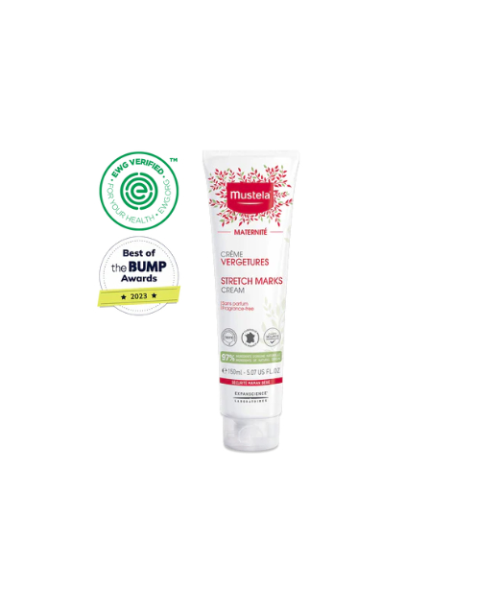
Clinically tested during pregnancy, compatible with breastfeeding, maracuja oil and avocado Perseose. Available at mustelausa.com.
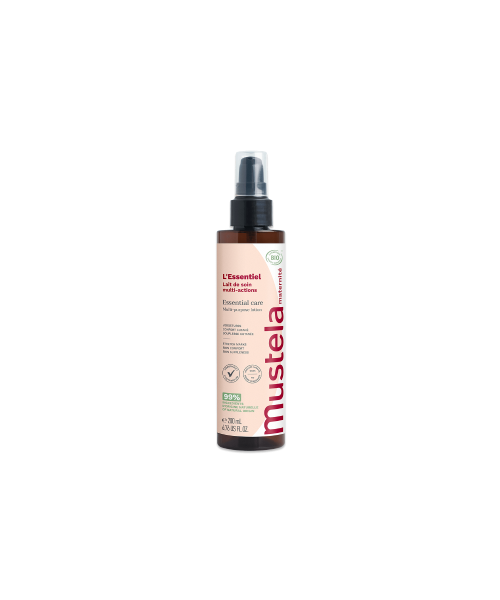
ECOCERT Cosmos Organic certified, multi-purpose lotion for pregnancy and postpartum, compatible with breastfeeding. Available at mustelausa.com.
The Practical Rebuild
Morning: gentle cleanser → vitamin C serum (moderate concentration) → niacinamide serum → mineral SPF 50.
Evening: gentle cleanser → azelaic acid (if hyperpigmentation is a concern) → fragrance-free moisturiser → facial oil (squalane or rosehip).
Monthly: light glycolic acid exfoliant instead of the daily retinol that was doing this work.
The rebuild isn’t a downgrade from the pre-pregnancy routine — it’s a temporarily modified version that addresses the same concerns through different, pregnancy-appropriate ingredients.