

Three months of feeling off. Not ill exactly. Just not right. Bloated after meals that shouldn’t cause bloating. Tired in that specific way that doesn’t improve with sleep. Skin doing strange things. You go to the GP, everything comes back normal, and you leave with a suggestion to keep a food diary — which you do, for about four days, before life gets in the way and you give up.
That’s the situation most people are in when they stumble across YorkTest. Not dramatic. Just persistent.
I ordered the test after reading about it on a forum. Skeptical, honestly. But also frustrated enough to spend £149 finding out whether it would tell me anything useful.
Here’s what actually happened.
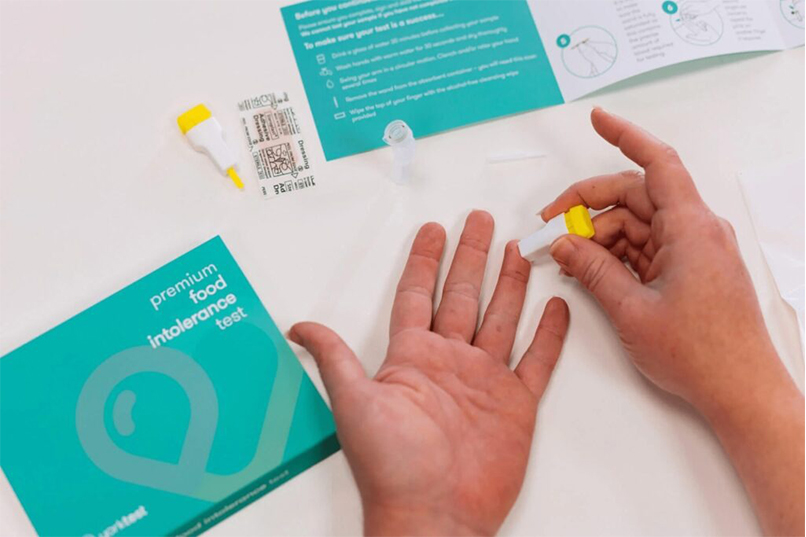
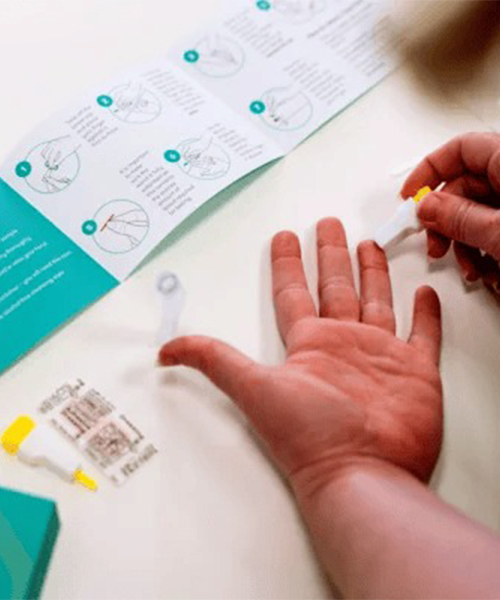
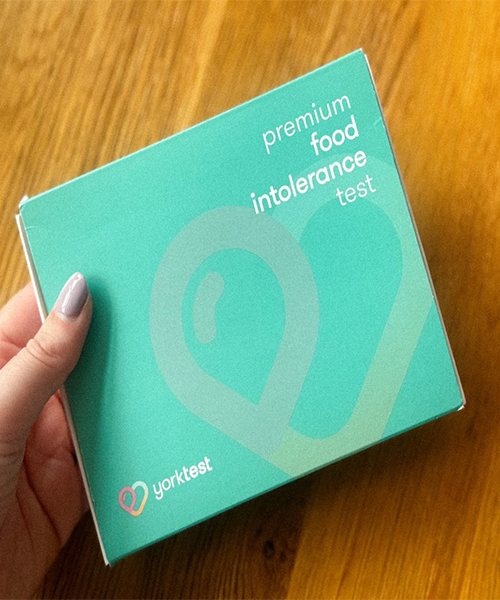
The kit arrives in a small, neat box. Inside there’s a lancet, some collection cards, instructions that are clearer than most flat-pack furniture guides, and a pre-paid envelope for sending the sample back. You prick your finger, collect a few drops of blood, let it dry. The whole thing takes maybe ten minutes if you’re slow about it. Then you post it off and wait.
Seven days. Results online.
Before I get into what the results looked like, there’s something worth knowing that YorkTest doesn’t exactly hide but also doesn’t put in large font at the top of their website. The test measures IgG antibodies — not IgE. This matters. IgE is what your body produces during an allergic reaction, the kind that allergists test for, the kind behind peanut allergies and anaphylaxis. IgG is different. Elevated IgG to a food can mean you eat that food a lot. It can reflect exposure as much as intolerance.
The NHS doesn’t recognise IgG food testing as a validated diagnostic method. Full stop. YorkTest acknowledges this if you read carefully enough. What they’d argue — and what I’d tentatively agree with based on experience — is that there’s a difference between a test not being clinically validated and a test being useless.
The results page shows more than 200 foods arranged in a traffic light system. Red means elevated reaction. Amber is moderate. Green is nothing notable.
My red column had six items in it. Two of them I eat almost every day.
First feeling: mild panic. Second feeling: this is going to be complicated. Third feeling: I’m glad I paid for the nutritional therapist consultation that’s included in the package.
The consultation is thirty minutes on the phone with someone who clearly does this all day. She didn’t oversell what the results meant. She was straightforward — these aren’t definitive answers, they’re a starting point. She helped me decide which foods to eliminate first, gave me a realistic timeline (six to eight weeks minimum, no cheating), and explained how to reintroduce foods one at a time afterward to actually figure out which ones are the issue.
That thirty minutes was worth most of what I paid. Honestly.
The elimination itself is where this gets real. Cutting out six foods for six weeks sounds manageable until you start reading ingredient labels. Dairy is everywhere. So are eggs. You become the person at a dinner party quietly asking the host what’s in things, which is its own particular social experience.
Weeks three and four were when I noticed something. The afternoon slump I’d had for as long as I could remember — the specific post-lunch fatigue that felt like my body shutting down — was gone. Not reduced. Gone. I’d assumed it was just how I was. Turns out it might not be.
Week eight I started reintroducing. Dairy first. Within forty-eight hours the bloating was back. I sat with that for a few days, went back to elimination, it cleared. Tried again. Same result.
Is that scientific proof that dairy is my problem? No. Could it be placebo? Possibly. But I feel meaningfully better not eating much dairy, and I didn’t before. That’s not nothing.
Some people go through this whole process and don’t feel any different. The elimination produces no notable change, the reintroduction produces no clear reaction, and they end up £149 lighter with more questions than answers. Those reviews exist too and they’re honest.
The test doesn’t guarantee you’ll find something. It doesn’t diagnose anything. If you want a medical verdict on what’s causing your symptoms, this isn’t that — you need a doctor for that, possibly a specialist, and if you suspect a genuine allergy rather than an intolerance, please go to an allergist rather than ordering a home test.
What YorkTest offers is structure. A structured elimination protocol, with professional guidance, starting from somewhere specific rather than eliminating everything or guessing. For people who’ve spent months or years with unexplained symptoms and gotten nowhere through conventional routes, that structure is valuable.
The price is £149 for the standard programme. There are higher tiers with more consultations and broader testing panels — worth considering if the standard package interests you and you know you’ll want more support through the process.
Turnaround is genuinely quick. The customer service, based on what I’ve seen and what reviews consistently report, is responsive. The nutritional therapist they connect you with knows what they’re doing. These are not small things.
Whether it’s worth it depends almost entirely on how much the symptoms you’re dealing with are affecting your life, and whether you’ve already tried simpler approaches first. If you’ve never tried eliminating dairy or gluten for a few weeks just to see — do that first, it costs nothing. If you’ve done the basics and still don’t have answers, YorkTest gives you a more comprehensive starting point.
I got something useful out of it. Not a diagnosis. Not certainty. But useful.