
Traeger Grills Review: Are Pellet Grills Worth It?
Some links in this article are affiliate links. If you buy through them we may earn a commission, at no extra cost to you.
If you want smoky, juicy food without standing over a fire all day, a pellet grill sounds like a dream. Traeger is the name most people think of first. The brand invented the wood pellet grill, and today you see it in backyards everywhere. But the price tag isn’t small, so is a Traeger really worth buying? In this Traeger grills review, we’ll look at how it works, the main models, flavor, ease of use, and the downsides.
What Is a Traeger Grill?
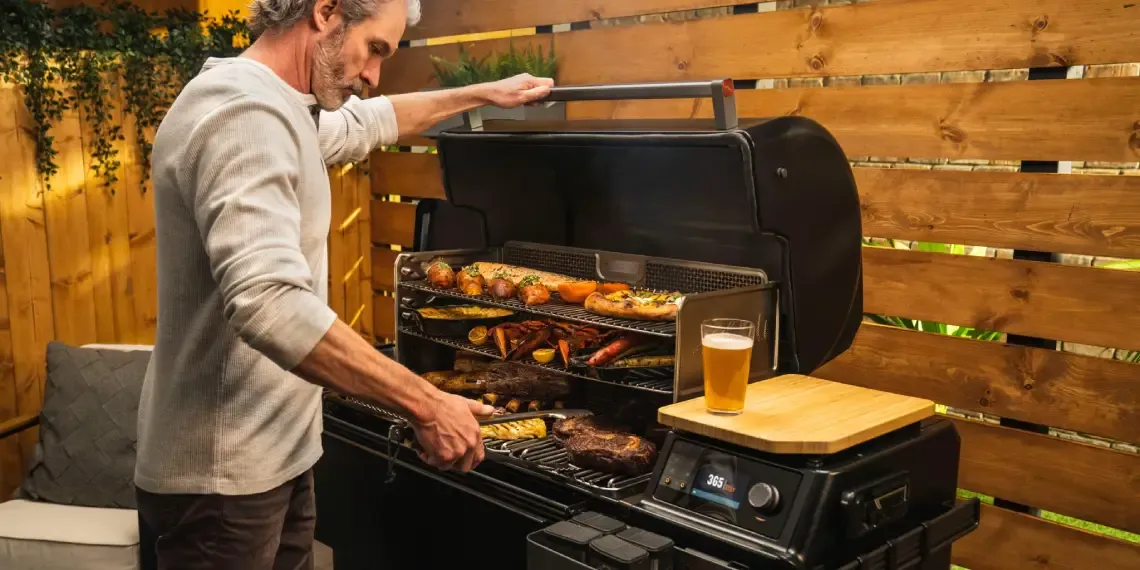
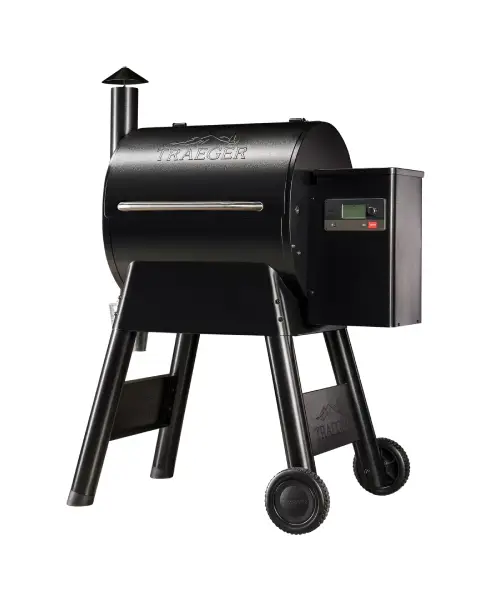
A Traeger is a grill that burns small wood pellets instead of charcoal or gas. You fill a hopper with pellets, set a temperature, and the grill does the rest. An auger feeds pellets into a fire pot, a fan keeps the fire steady, and a controller manages the heat.
The company started in Oregon, and Joe Traeger patented the first pellet grill in the 1980s. Since then, other brands have copied the idea, but Traeger is still the most recognized name in the category.
Main Traeger Lines
Traeger offers several lines, and picking the right one saves money. Here’s a simple way to think about them.
Pro Series: This is the starter line. You get the core pellet grill experience, good temperature control, and WiFi on many models. Good for people new to smoking.
Ironwood Series: A step up, with better build, more features, and often a stronger smoke setting. A popular middle choice.
Timberline Series: The premium line. Bigger, nicer finishing, and more advanced features for people who cook a lot.
Flatrock: A flat-top griddle, handy for breakfast, smash burgers, and stir fry.
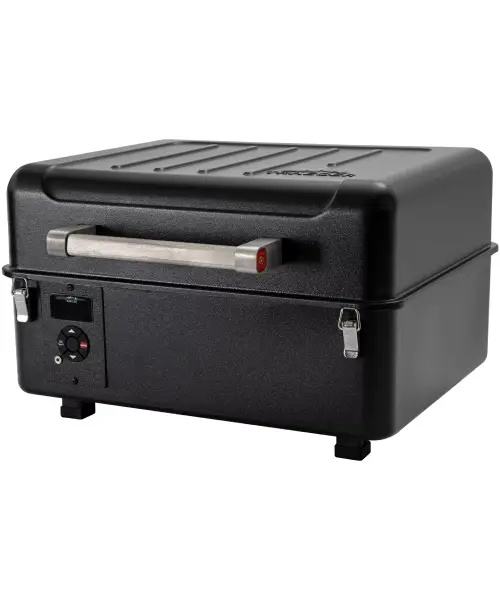
Portable models like the Ranger and Tailgater: Smaller grills made for camping, tailgates, and balconies.
Lineups change often, so check the current names and sizes on Traeger’s site before you buy.
How Does the Food Taste?
This is the main reason people buy a Traeger. Wood pellets give food a gentle smoky flavor that’s hard to get on a gas grill. Ribs, brisket, pulled pork, chicken, and salmon all turn out really well. The low and slow cooking keeps meat tender, and the flavor is easy to adjust by changing the pellet type, such as hickory, mesquite, apple, or cherry.
To be fair, a Traeger doesn’t sear like a gas or charcoal grill. Steaks and burgers still come out good, but they might not have that hard, crispy crust some people want. Many owners fix this by searing in a pan afterward or using a high-heat setting if their model has one.
Ease of Use
Traeger makes cooking simple. Turn it on, pick a temperature, and walk away. The grill holds the heat steady, which is a huge help when you’re smoking meat for hours. That’s why beginners like it so much.
Many models have WiFIRE, Traeger’s WiFi system. With the app, you can change the temperature, watch your food with a meat probe, and get alerts on your phone. It’s handy when you’re busy or just want to relax. Remember, though, that the app is a bonus and some owners say WiFi can be moody sometimes, so it’s worth keeping a normal probe handy.
Build Quality and Maintenance
Build quality depends on the model. Higher-end lines feel sturdier and have thicker steel, while the cheaper ones are simpler. Many owners also say that taking care of it matters a lot.
You need to clean it regularly. Ash and grease build up, and if you ignore them, you can get uneven heat or flare-ups. Keep pellets dry, too. Damp pellets can swell and jam the auger, which is a common complaint. A cover and dry storage help.
Running Costs
A Traeger doesn’t use gas or charcoal, but you buy pellets, and those cost money. A bag usually goes quickly during long cooks, especially in cold or windy weather. Electricity is needed too, so you need to be near an outlet. If you only grill once in a while, the pellet cost is small. If you smoke every weekend, it adds up.
Pros
Great smoky flavor
Very easy to use, even for beginners
Steady temperature for long cooks
WiFi app on many models
Many sizes and price levels
Wide choice of pellet flavors
Cons
Higher price than basic grills
Not the best at hard searing
Needs electricity
Pellets cost money and must stay dry
Cleaning is a must
WiFi can be unreliable at times
Who Should Buy a Traeger?
Traeger makes sense for people who love smoked food but don’t want to babysit a fire. It’s great for busy families, weekend cooks, and anyone who likes set-and-forget cooking. Beginners especially will enjoy how forgiving it is.
If you mostly grill quick burgers and hot dogs, a simple gas grill might be a better and cheaper choice. And if you’re a hardcore charcoal fan who loves tending the fire, you may miss the hands-on feel.
Final Verdict
Traeger earns its popularity. It gives you easy, steady, flavorful cooking, and the range of models fits different budgets. It’s not perfect for hard searing, and pellets plus cleaning do take some effort. But if you want to cook smoky food without stress, a Traeger is a solid buy. Pick the size that matches your family, keep pellets dry, and clean it regularly, and it should serve you well.
You might also like
Cozeware Review: Are Their Mini Split ACs Worth Buying?
Honest Cozeware review covering Coze Air mini splits, efficiency, installation, noise, price, customer feedback, pros and cons, and who should buy one.
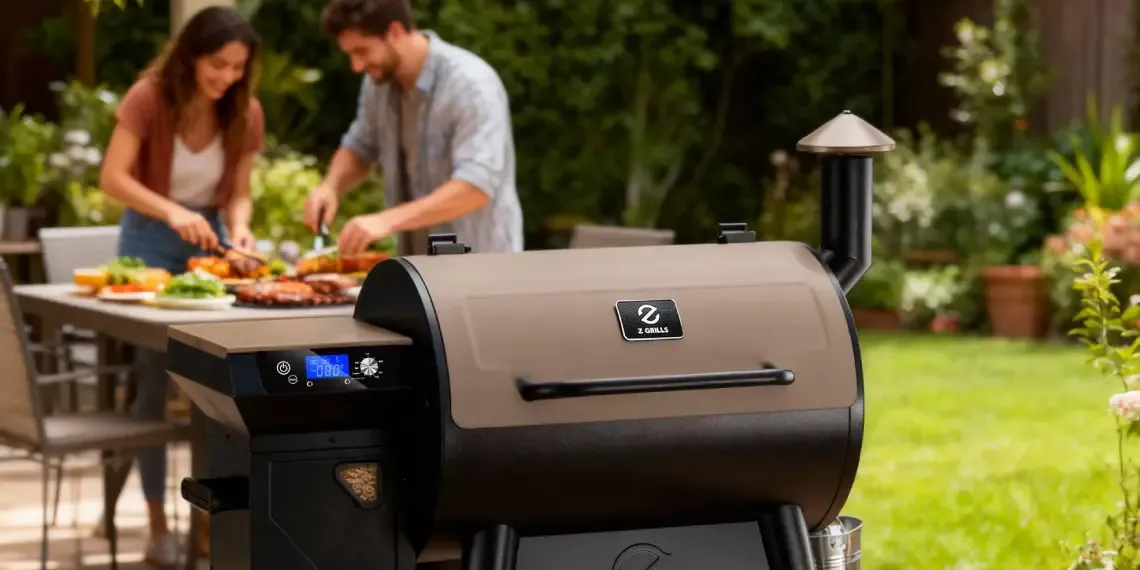
Z Grills Review: Are These Budget Pellet Grills Good?
Honest Z Grills review covering the 450, 700, and 1000 series, temperature control, build quality, WiFi, price, pros and cons, and who should buy one.

Sheet Society Review: Are These Sheets Worth the Price?
Honest Sheet Society review covering fabrics, softness, fit, pilling complaints, shipping, customer service, pros and cons, and who should buy these sheets.
0 Comments
No comments yet - be the first to share your thoughts.