
How Too Much Skincare Can Actually Damage Your Skin Barrier
Some links in this article are affiliate links. If you buy through them we may earn a commission, at no extra cost to you.
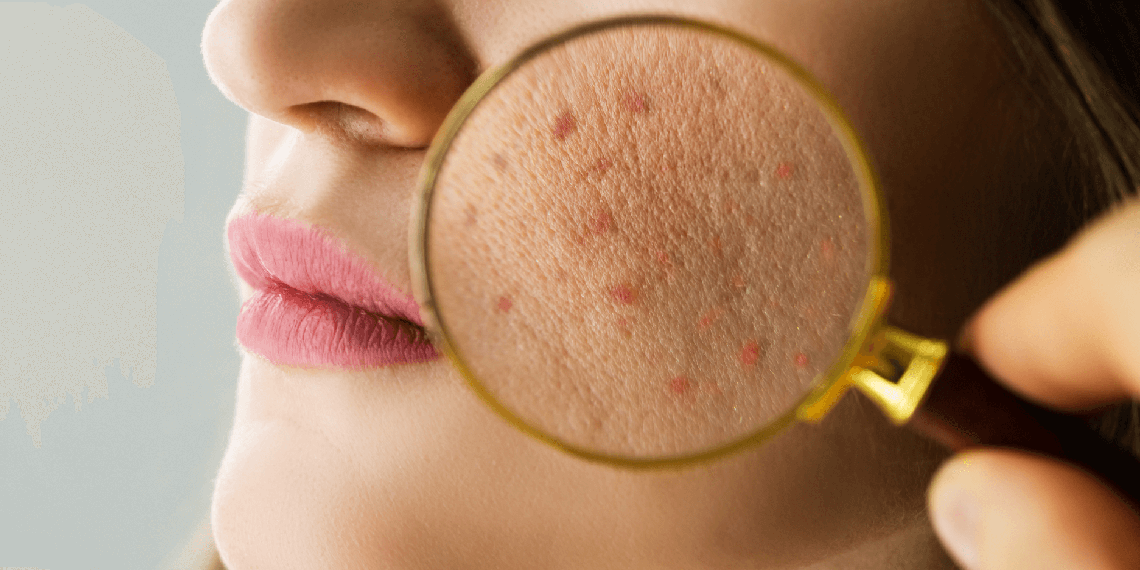
The skincare industry sells the idea that more is better - more actives, more steps, more targeted treatments. The skin operates on a different principle. A healthy skin barrier is the foundation of good skin, and a barrier that's been overworked produces the symptoms that more products are then marketed to treat.
What a Damaged Barrier Looks Like
Increased sensitivity to products that previously caused no reaction. The barrier filters irritants. When it's compromised, ingredients that were tolerable become sensitisers. If your routine has stopped working in this specific way - products causing stinging, redness, or reaction that they previously didn't - the barrier is likely compromised.
Redness, tightness, and unusual dryness despite adequate moisturiser application. The barrier's function is moisture retention. When it's damaged, moisturiser can't fully compensate - it's adding moisture that the barrier can't hold. The tightness persists despite application.
Texture changes and dullness that don't respond to exfoliation. When the barrier is disrupted, additional exfoliation makes the problem worse rather than better. Texture that persists or worsens with exfoliant use is a sign that the exfoliation frequency needs to decrease.
Purging that continues beyond the expected timeline. True product purging (faster skin turnover bringing existing congestion to the surface) lasts four to six weeks maximum. Breakouts continuing beyond this are not purging - they're a barrier reaction.
The Causes
Over-exfoliation is the most common - using AHAs, BHAs, physical exfoliants, and retinol simultaneously or too frequently. The skin requires a recovery period between exfoliating treatments.
Using high-concentration actives at multiple steps (vitamin C serum, retinol, and an acid toner in the same routine) without accounting for the cumulative active load.
The Repair Approach
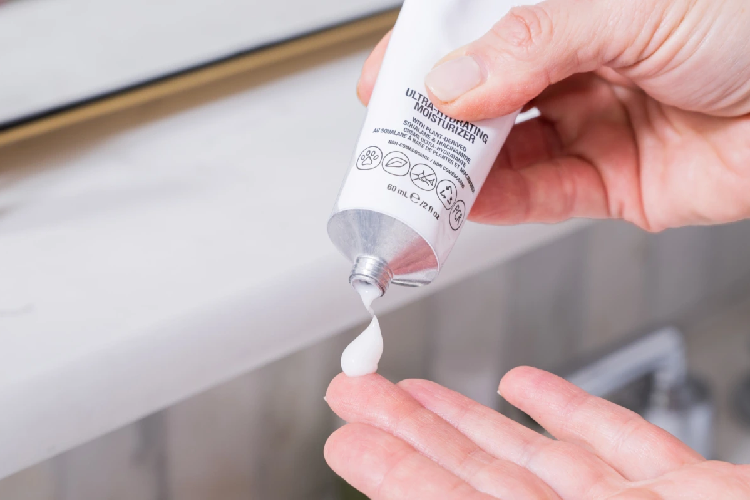
Stop all actives for two to four weeks. Use only cleanser, moisturiser, and SPF during this period. The barrier repairs itself when given the opportunity - the ingredients that accelerate this are ceramides, fatty acids, and panthenol.
Reintroduce actives one at a time, starting with the lowest concentration version of each, with at least a week between additions. This is slower than most people want to be and faster than the repair process rewards impatience.

Written by
Jessica Reed is the editor at PickSuperb, where she writes and updates our brand reviews across fashion, beauty, home, kitchen and lifestyle. Her reviews start with the questions a shopper actually has before checking out: what the brand does well, what custo...
More from Jessica →You might also like
 Beauty
Augustinus Bader Review 2026: A Real Professor, a $195 Cream, and Still No Registered Trial
An updated Augustinus Bader review: the Leipzig stem-cell professorship is genuine, the TFC8 evidence is a 30-person in-house panel, a three-cycle subscription lock-in, and a reportedly collapsed billion-dollar sale.
 Beauty
Glossier Review 2026: A Year Into the Turnaround, Revenue Is Falling and 30 Percent of Staff Are Gone
An updated Glossier review: the products still have real fans at 3.3 on Trustpilot, but Chicago and Boston have closed, cumulative layoffs hit 30 percent, and the $45m raised in 2026 was a credit line, not equity.
 Beauty
Osea Malibu Review 2026: Luxury Seaweed Skincare or Overhyped Oil?
Honest Osea Malibu review. We examine the Undaria Algae Body Oil, the batch inconsistencies, the skin reaction complaints, and whether the clean beauty brand is worth it.
0 Comments
No comments yet - be the first to share your thoughts.